


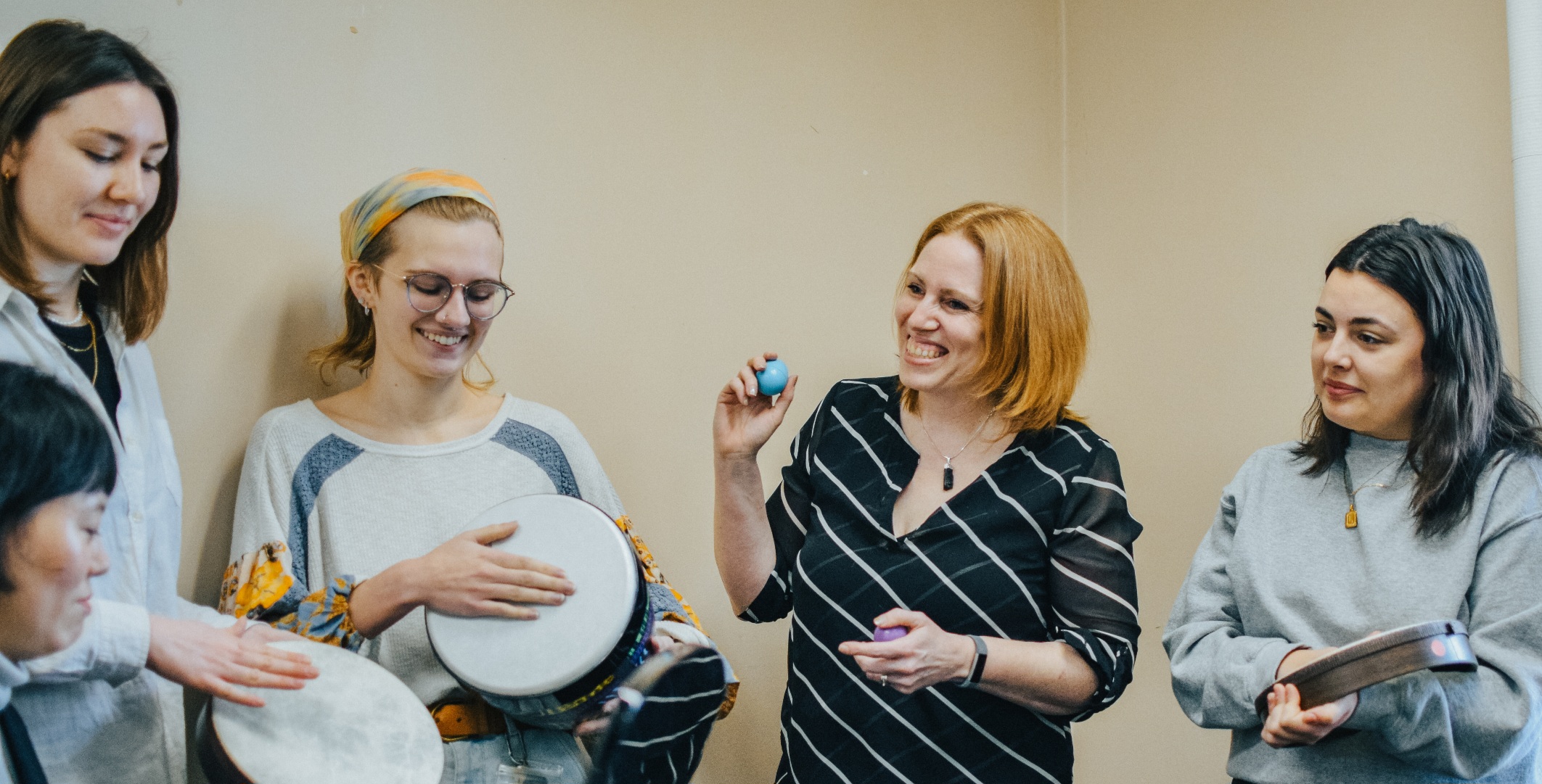
Music that supports. Science that informs. Relationships that make an impact.
At CMU, studying Music Therapy trains you to use music in hospitals, schools, care homes, and community settings to support mental health, development, and quality of life.
You'll graduate ready for professional certification, with real clinical experience and the skills employers are looking for.

Music Therapy at CMU combines music, psychology, and hands-on clinical training.
You'll study human development, mental health, neuroscience, and counselling, then apply what you learn in supervised placements. This isn't just classroom learning. You'll lead sessions, work with real clients, and receive structured feedback from certified music therapists.
Why Study Music Therapy at CMU?

Learn by doing.
You'll complete three practicum placements plus a 1,000-hour internship before graduating.

Graduate career-ready.
The CMU Music Therapy Program is accredited by the Canadian Association of Music Therapists (CAMT) and prepares you for board certification.

Build real clinical skills.
In the program you'll lead sessions, conduct assessments, write treatment plans, and evaluate outcomes.

Strengthen your musicianship.
Develop practical skills in voice, guitar, piano, percussion, improvisation, and songwriting for therapeutic use.

Work with diverse populations.
You may work with children or older adults, and may be in mental health settings, medical environments, or developmental programs.

Think beyond discipline.
Take courses in psychology, counselling, and ethics so you understand the whole person, not just the intervention.
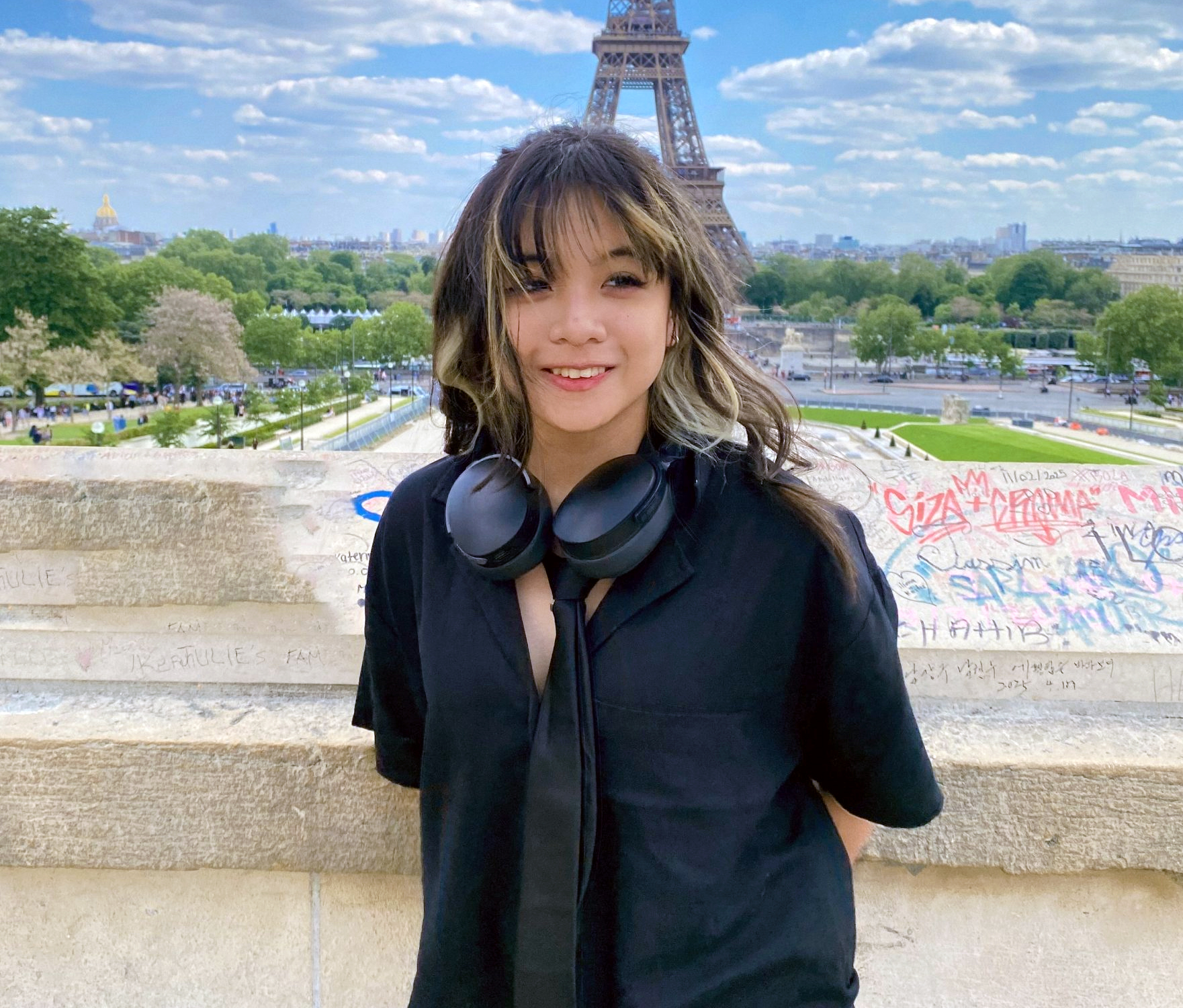
“I've grown in ways I couldn’t have imagined. The challenges that once felt overwhelming have become the most rewarding parts of my journey.”
– Jessi Lopez, third-year Bachelor of Music Therapy student
What Makes the Music Therapy Program at CMU Different?
Clinical training is central.
You won't wait until then end of your degree to step into practice. Clinical learning is built into the program from the start.
Clear professional standards.
Training aligns with national competencies and prepares you for certification as a Music Therapist Accredited (MTA).
Small cohort model.
You'll receive direct feedback and consistent mentorship.
Interdisciplinary by design.
Music Therapy intersects with psychology, healthcare, education, and ethics. Your degree reflects that reality.
Two entry pathways.
Complete the four-year Bachelor of Music Therapy or enter through the after-degree stream if you already hold a music degree.
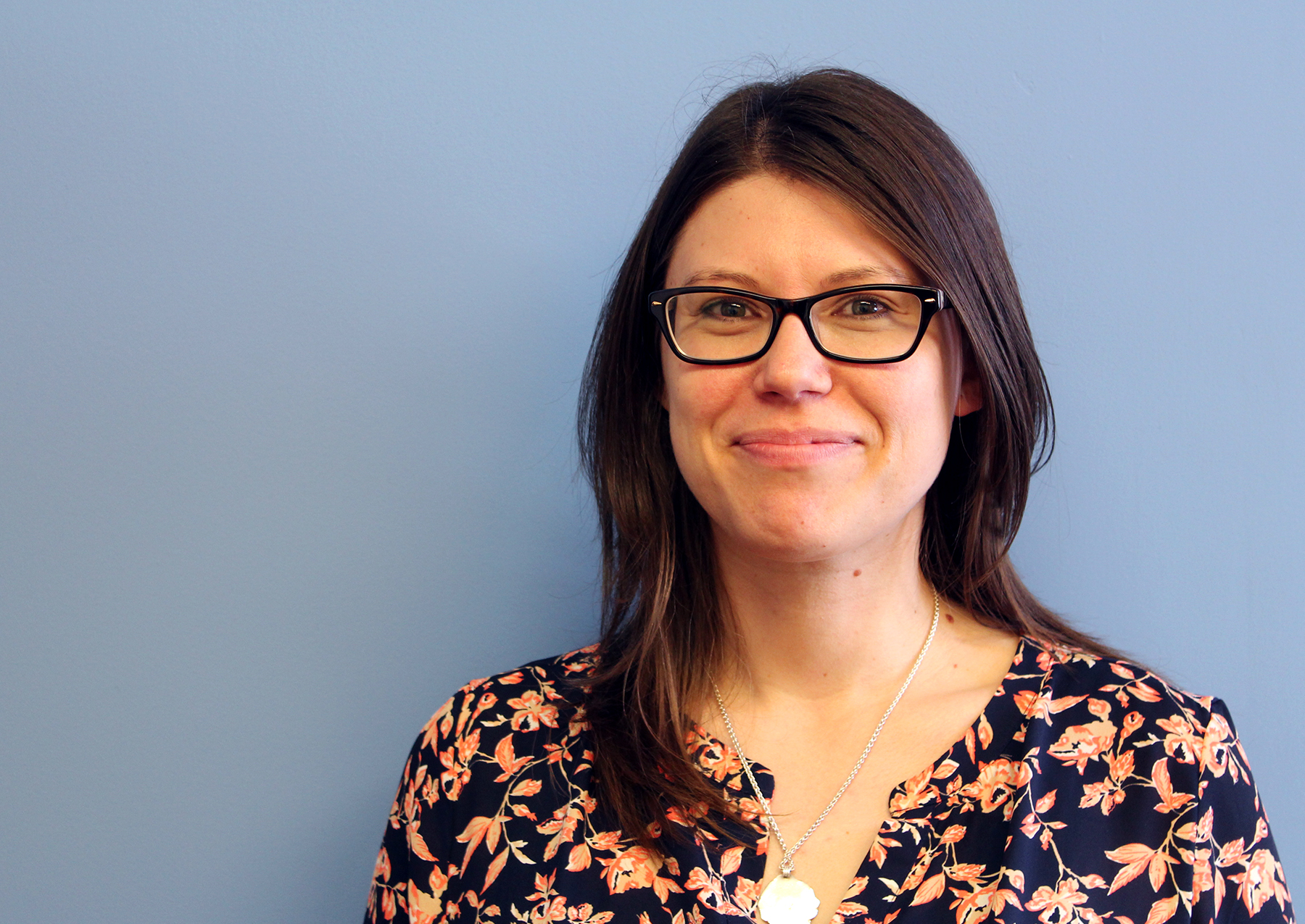
“I can only do so much in my clinical work, so one thing that gives me hope is sending our students out into the field and seeing them touch other people’s lives with their gifts, skills, and passion for helping.”
– Lee-Anne Dowsett, Assistant Professor of Music Therapy
Careers in Music Therapy
Music Therapy is a growing profession across healthcare, education, and community service. CMU graduates become Certified Music Therapists (MTA) and work as part of interdisciplinary teams in settings that require both clinical skill and creative flexibility.
Here are just some of the ways CMU Music Therapy grads put their learning to work:
Support mental health.
Work in clinics, hospitals, or community programs helping individuals develop emotional regulation, communication skills, and coping strategies.
Bring music into healthcare teams.
Serve in hospitals, palliative care units, or rehabilitation settings as part of interdisciplinary care teams.
Work with children and youth.
Support developmental goals, communication, and social skills in schools, early childhood programs, and specialized services.
Engage older adults and meaningful connection.
Facilitate music-based programming in long-term care and dementia settings to support cognitive and social engagement.
Serve individuals with developmental disabilities.
Design and lead music therapy sessions that build communication, motor skills, and relational capacity.
Develop community-based programs.
Partner with community organizations to expand access to music therapy in underserved populations.
Build a private practice.
Work independently with clients and families, offering specialized therapeutic services.
Continue your studies.
Pursue graduate education in music therapy, counselling, psychotherapy, or health-related disciplines.
Note: Certification as a Music Therapist Accredited (MTA) through the Canadian Association of Music Therapists is required for professional practice. Some roles may require additional credentials.
“CMU taught me to sit with people, to listen well, and to build real connections, whether with patients, coworkers, or families. I think being part of the CMU community helped me develop those skills: good conversations, good listening, and a sense of connection. That is something I carry with me into my work every day.”
– Tania Mulki, Bachelor of Music Therapy '23

Work-Integrated Learning (WIL)
Every CMU student completes at least one work placement as part of their degree. In Music Therapy, every student completes three supervised practicum placements, and one full-time 1,000-hour internship.

Hospitals and medical settings

Schools

Long-term care facilities

Mental health programs

Developmental services
These experiences mean that you won't just graduate with knowledge. You'll graduate with documented clinical experience.
Explore More at CMU

Student Stories


Work-Integrated Learning at CMU

Residence Life

Related Programs
Viewbook
- Programs
- Music Therapy
- Programs and Courses
- Meet the Professors
- What Are Grads Doing?
- Purpose and Commitments
- Work-Integrated Learning
- Music Therapy Admission Requirements

Music Stories
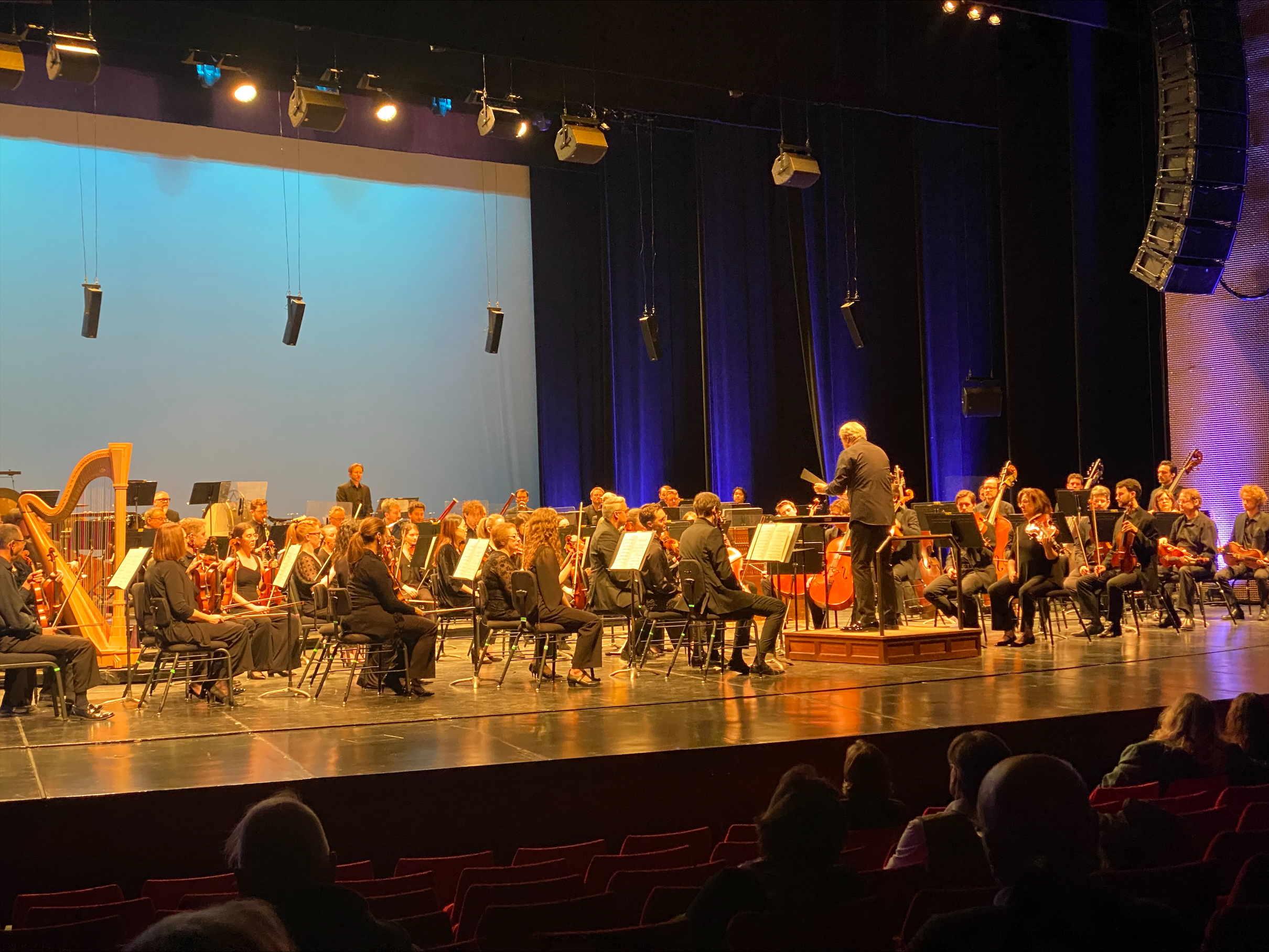
CMU professor gives light to the darkness of history with WSO commission
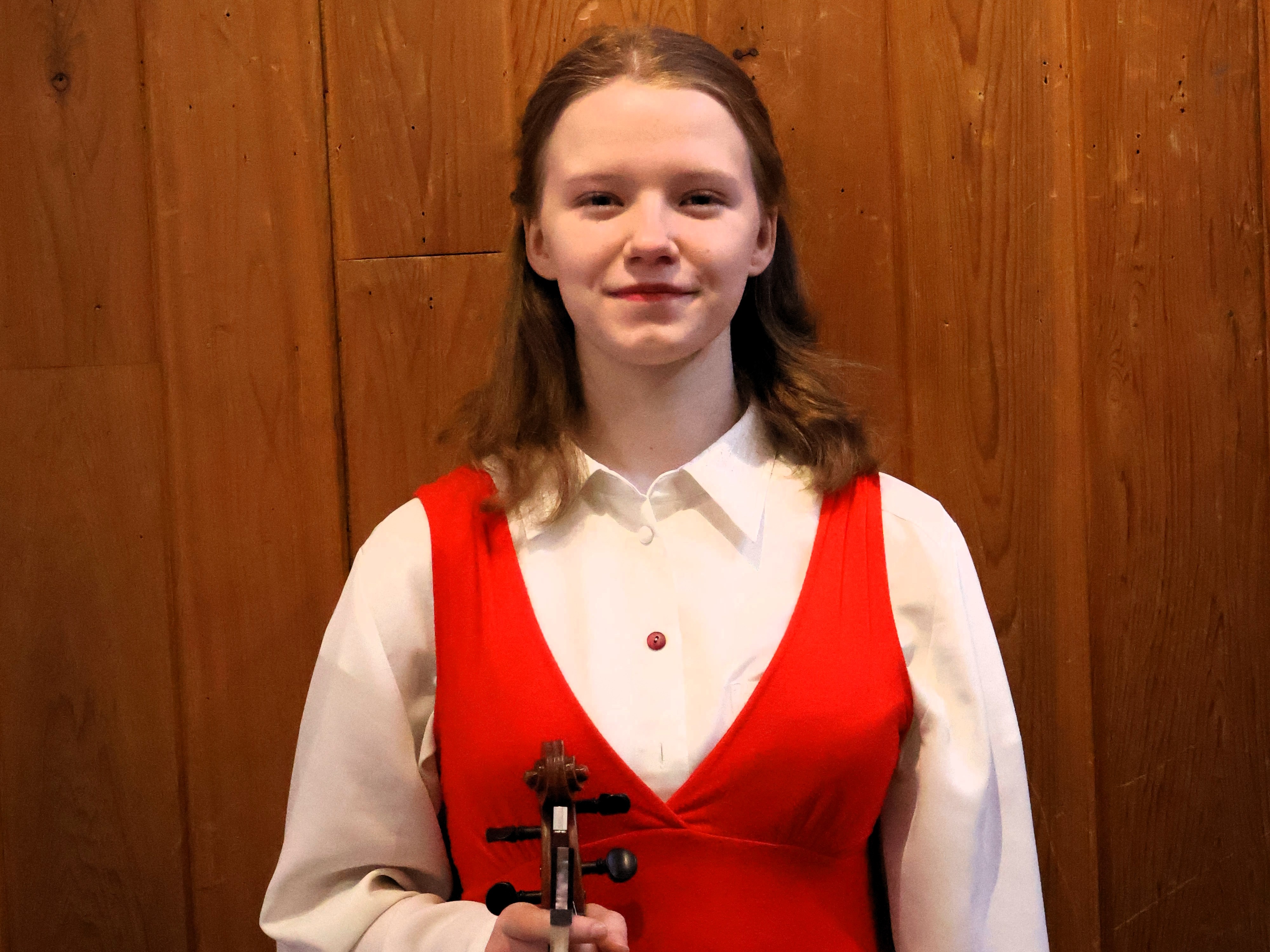
Bridging traditions: Stan Rogers' folk legacy honoured by CMU Concert Band
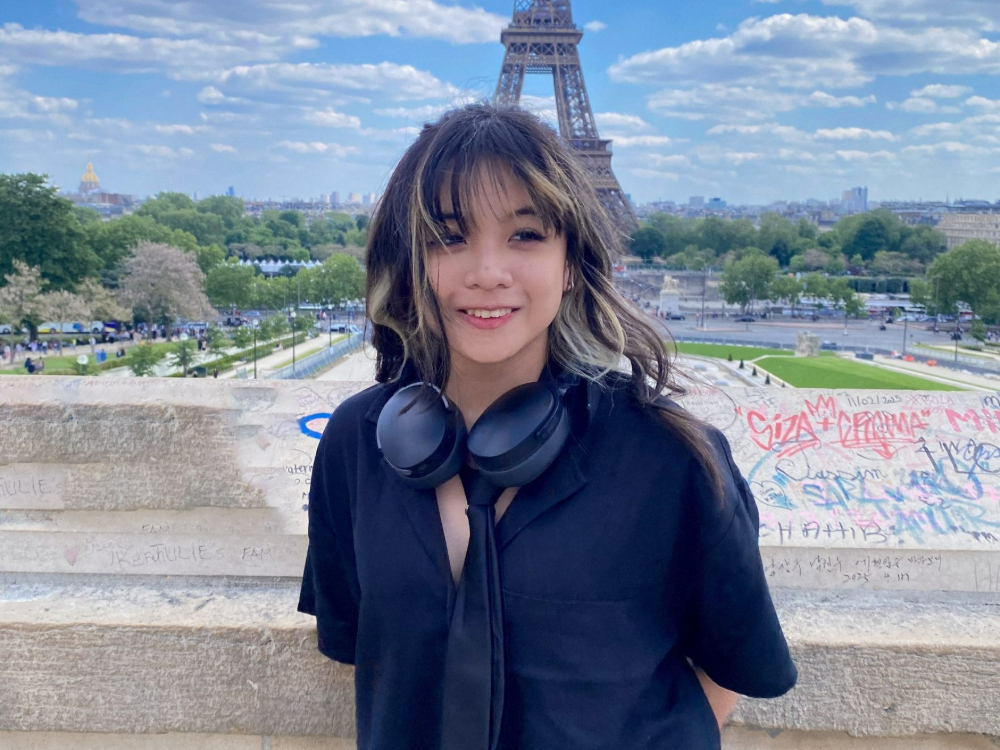
#myCMUlife Student Blog | Four pieces of advice for my first-year self entering CMU's music program
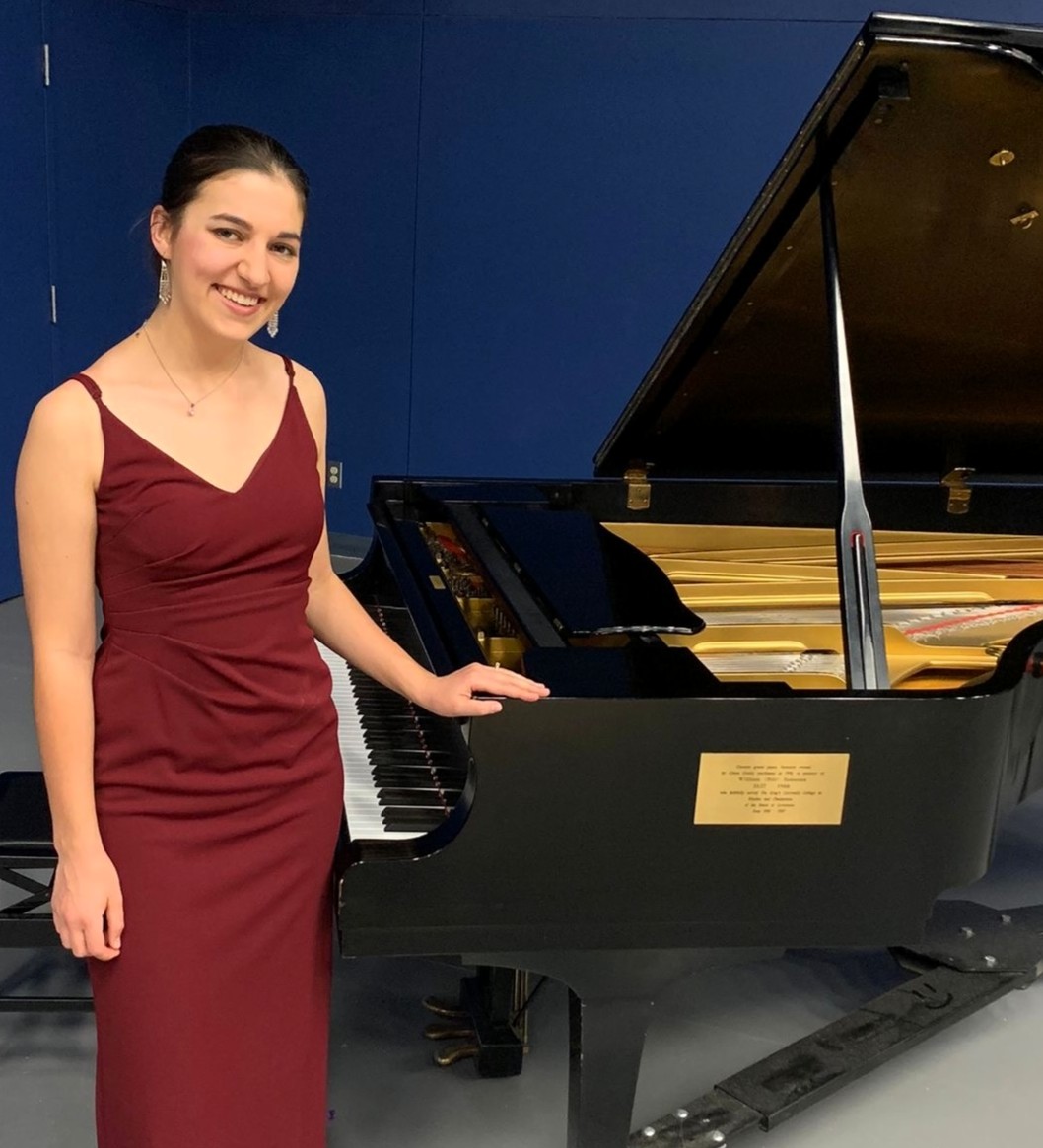
#myCMUlife Student Blog | "Well... it depends...": Four insights into studying music therapy at CMU
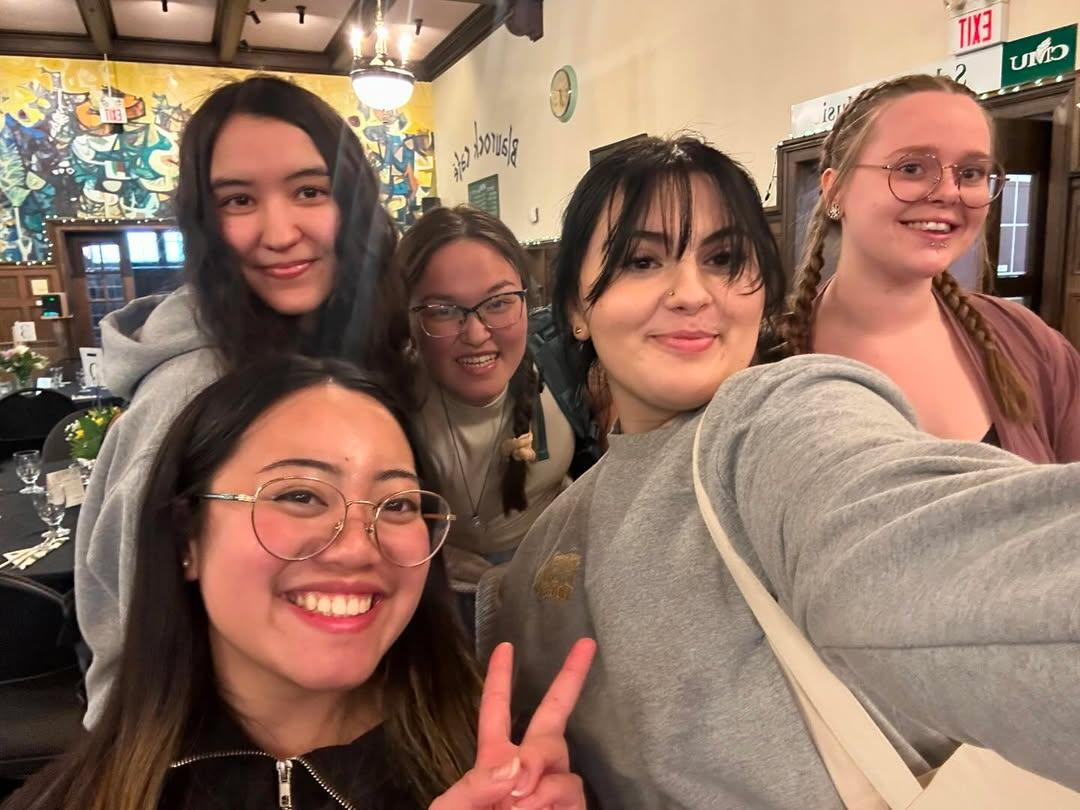
#myCMUlife Student Blog | Finding purpose through music

CMU faculty, students, alumnus thrilled to participate in Indigenous opera premiere

From napkin sketch to piano concerto: two CMU students' collaborative journey

CMU alum recontextualizes art song through queer, ecological lens
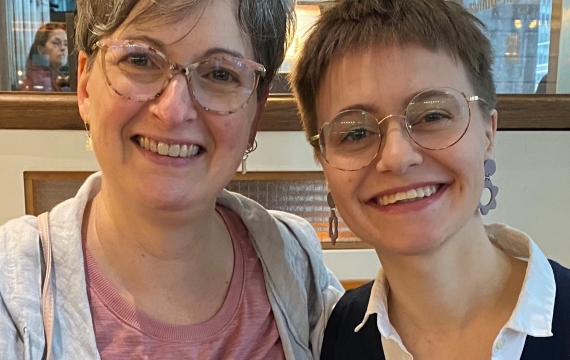
Faculty-alumni collaboration explores decolonizing music education in the classroom

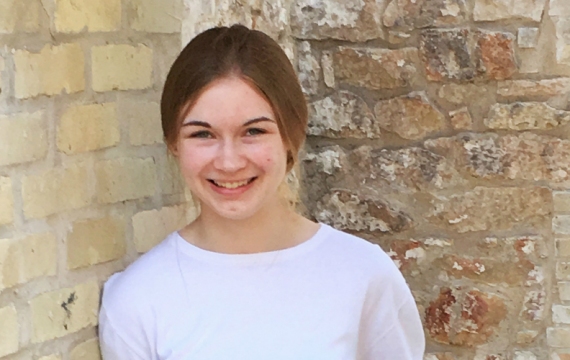
Anna Schwartz wins Canada Music Week's Student Composer Competition for Manitoba
Faculty: In Their Own Words
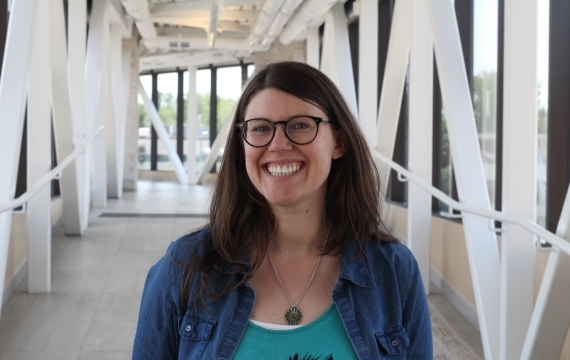
Lee-Anne Dowsett, Assistant Professor of Music Therapy
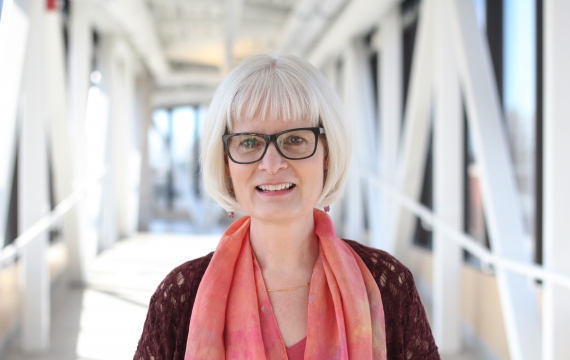
Dr. Christine Longhurst, Assistant Professor of Music and Worship

Dr. Matthew Pauls, Assistant Professor of Music
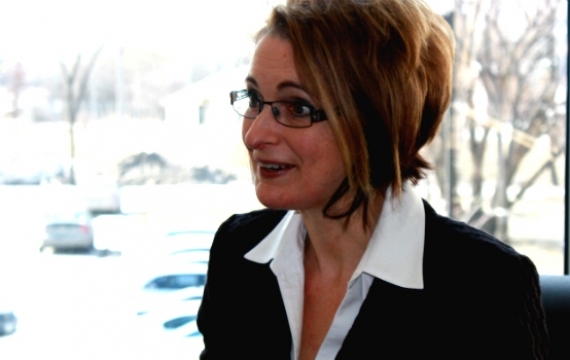
Dr. Janet Brenneman, Dean, School of Music; Associate Professor of Music

 Print This Page